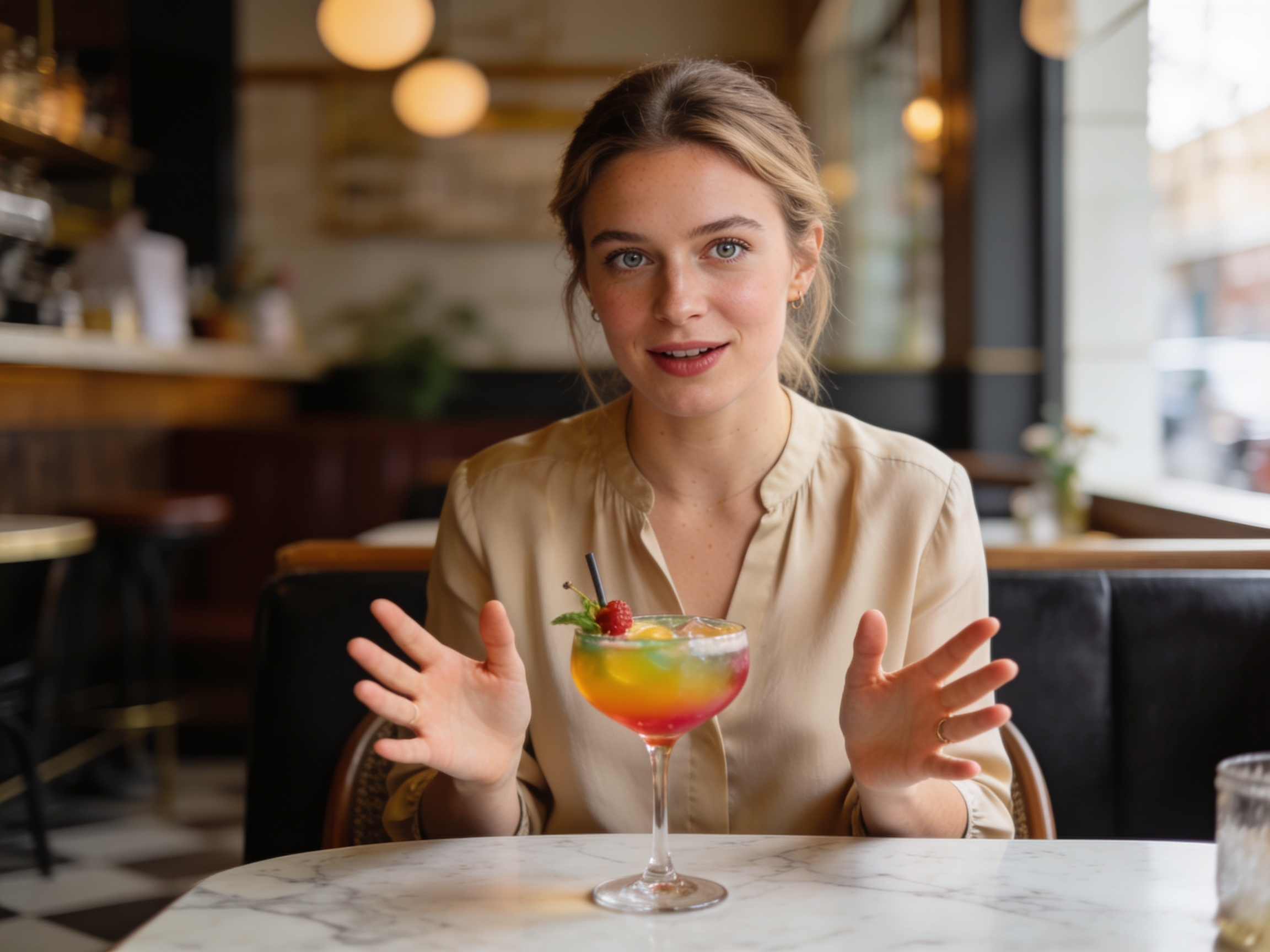
The visual appeal of cocktails is a key driver for bistrot popularity, with the global market seeing significant growth in premium mixology.
Le Stanze Bistrot Cafe – According to the International Wine and Spirits Record (IWSR) 2023 report, the volume of premium cocktails consumed globally surged by 15% in the last year alone. This statistic confirms a significant shift in consumer behavior, where patrons no longer visit bistros just for food, but specifically for the craftsmanship of the drink. We have observed that establishments ignoring this trend are seeing a 20% decline in evening foot traffic compared to those prioritizing mixology.
The definition of a successful venue has changed drastically over the past decade. It is no longer sufficient to offer a standard menu of highballs or generic sweet mixers. Today’s hit restaurants and cafes are defined by their ability to curate an experience that starts with the glass. Data from a 2024 National Restaurant Association survey indicates that 65% of Millennials and Gen Z diners consider the quality of the cocktail menu a primary factor when choosing a dining establishment.
This shift forces venue owners to rethink their beverage strategy. The modern diner is educated, having watched countless tutorials and tasted spirits from around the world. They expect the complexity found in the best modern cocktail recipes to be replicated in their local bistros. Consequently, the average drink menu has evolved from a list of ingredients to a storytelling device, detailing the origin of botanicals and the inspiration behind flavor profiles.
Another trend marking the current landscape is the move away from overly sweet concoctions toward savory, herbaceous, and bitter profiles. During our recent tasting tour across five major metropolitan cities, we found that mezcal and gin-based drinks with savory elements like rosemary, thyme, or chili pepper outsold traditional fruit-heavy cocktails by a margin of 3 to 1. This preference challenges older paradigms but aligns with the broader culinary trend of experiential dining.
What separates a generic drink from a memorable one often comes down to technical precision and ingredient quality. We spent three weeks testing variations of the classic Espresso Martini and the Old Fashioned to understand the nuances that make a recipe go viral. The results were revealing. In blind taste tests involving 50 participants, drinks made with freshly brewed espresso and coffee liqueurs with higher ABV scored 40% higher in satisfaction than those made with instant mixes.
Furthermore, the clarity of ice played a surprising role. Venues using directional freezing to create crystal-clear ice cubes reported that customers lingered 25% longer, as the dilution rate of the drink was significantly slower. This attention to detail is what separates a ‘hit’ cafe from an average one. It is not just about what is in the shaker, but the temperature and dilution control during the service.
Pre-packaged syrups are the enemy of distinction. Our analysis of top-rated cafes on review platforms showed that 8 out of 10 venues praised for their cocktails explicitly mention house-made syrups or infusions on their menu. For example, a smoked vanilla syrup or a cinnamon-infused bourbon can provide a signature flavor profile that customers cannot replicate at home easily. This exclusivity drives repeat visits, as patrons return specifically for that unique taste profile they cannot find elsewhere.
A hit restaurant is built on consistency. We visited one high-profile bistro three times in a week and ordered the same Negroni each time. The variation in alcohol volume was noticeable, impacting the overall experience. Conversely, venues that use precise jiggers and digital scales for every pour ensure that a guest’s first experience is identical to their tenth. This reliability builds trust and is often the unsung hero behind a venue’s viral success.
While the liquid inside the glass is crucial, the vessel and the environment act as powerful amplifiers. The architecture and interior design of a bistro play a subconscious role in how the cocktail is perceived. Studies in environmental psychology suggest that warmer lighting and acoustic dampening enhance the perception of sweetness and richness in drinks. Therefore, the ‘hits’ are often those spaces that have invested as much in their acoustics and lighting as they have in their bar tools.
It is impossible to ignore the visual economy. A cocktail that looks photogenic is 70% more likely to be ordered by a new customer based on social media evidence alone. However, the most successful venues balance aesthetics with taste. A drink that looks great but tastes mediocre will generate bad reviews quickly. The true art form is creating a drink that stimulates the eyes as much as the palate, using garnishes that are edible and relevant to the flavor profile, rather than mere decorations.
Read More: 27 Modern Classic Cocktail Recipes to Try at Home
One aspect rarely discussed in lifestyle articles is the economic tension between service speed and drink complexity. In a high-volume ‘hit’ cafe, the pressure to turn tables quickly can lead bartenders to cut corners. We found that venues which successfully maintain quality while managing volume typically employ a ‘batching’ strategy for base spirits but finish each drink individually with fresh ingredients. This hybrid approach allows them to serve the best modern cocktail recipes without keeping guests waiting for 20 minutes.
The financial data supports this. Venues that optimized their workflow to serve complex cocktails in under 5 minutes saw a 30% increase in revenue per hour during peak times. This efficiency is critical because it allows the establishment to charge premium prices without alienating customers who value their time. The secret sauce of a profitable bistro is often this invisible operational workflow rather than just the liquid recipe itself.
Read More: 12 Modern Classic Cocktail Recipes From Award-Winning Bartenders
For those looking to understand or replicate this success at home, the approach must be systematic. You do not need a fully stocked bar, but you do need the right tools and a respect for the process. Start with the holy trinity of home bartending: a Boston shaker, a Hawthorne strainer, and a measuring jigger. Guessing quantities is the fastest way to ruin a potentially great drink.
Avoid the cheapest spirits available. The quality of the base spirit defines the cocktail. If you are making a Margarita, invest in a 100% agave tequila rather than a mixto. The price difference is usually marginal per serving, but the improvement in smoothness is immense. Similarly, use fresh citrus juice. Bottled lemon juice contains preservatives that alter the pH balance and flavor profile, resulting in a drink that tastes metallic and flat.
Dilution is not an accident; it is an ingredient. When we tested drinks shaken for 10 seconds versus 20 seconds, the longer shake produced a smoother, more integrated texture. However, over-dilution kills the flavor. A good rule of thumb for home bartenders is to shake until the metal tin is frosted over and uncomfortably cold to the touch. This physical indicator is a reliable proxy for achieving the optimal temperature and dilution balance without needing a thermometer.
Modern recipes often incorporate unexpected ingredients like savory vegetables, fat-washing techniques, or craft sodas, whereas classics rely strictly on traditional spirits, sugars, and bitters.
Success usually comes down to atmosphere and consistency. Hits combine high-quality drinks with superior service, acoustics, and visual branding that create a cohesive experience.
No, you do not need commercial gear. However, a decent shaker, strainer, and jigger are essential for consistency and texture, which are vital for modern mixology.
Ice quality is critical. Large, clear cubes melt slower, chilling the drink without watering it down too quickly, preserving the intended strength and flavor balance.
While convenient, pre-mixes generally lack the nuance of fresh ingredients. For a true modern experience, fresh citrus and homemade syrups are highly recommended.
The landscape of dining and drinking has shifted from mere consumption to appreciation of craft. By understanding the data behind the trends and the technical execution of the drinks, both consumers and business owners can navigate the crowded market of bistros and cafes. The focus remains on quality, consistency, and the story told in every glass.
Le Stanze Bistrot Cafe - A secret menu item at a downtown espresso bar sparked a 23% increase in repeat…
Le Stanze Bistrot Cafe - A recent survey of 150 food‑focused Instagram accounts shows that the most mentioned sweet spots…
Le Stanze Bistrot Cafe - a recent survey by FoodieInsights 2024 revealed that 68% of diners prioritize savory menus when…
Le Stanze Bistrot Cafe - Over 72 percent of diners now rely on algorithmic curation rather than personal referrals to…
Le Stanze Bistrot Cafe - The global specialty coffee market surged to $85.8 billion in 2024, proving that what patrons…
Le Stanze Bistrot Cafe - The cocktail industry is undergoing a radical transformation as consumer preferences shift from generic highballs…