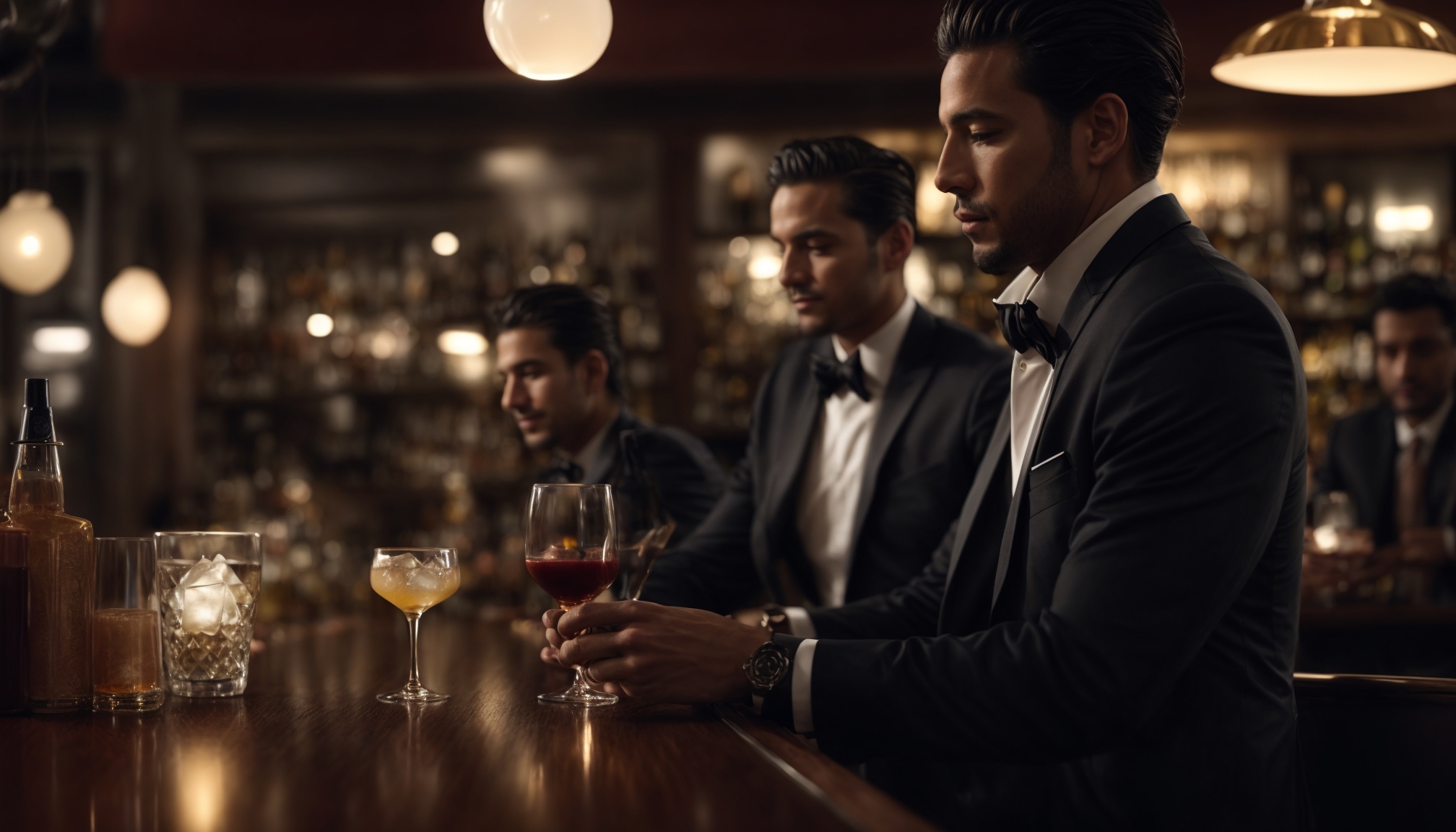
Le Stanze Bistrot Cafe – Urban diners increasingly seek bars that serve classic cocktails modern bistro style, blending familiar recipes with inventive techniques and elevated presentations.
Classic cocktails modern bistro concepts rely on a simple fact. Guests trust recipes that have endured for decades. They recognize names like Negroni, Martini, and Old Fashioned. That recognition helps them order with confidence, even in a new venue.
At the same time, bartenders want room for creativity. They experiment with seasonal produce, small-batch spirits, and house-made syrups. However, the base recipe stays recognizable. This balance keeps the bar program exciting without alienating regulars.
Because of this, many owners build their menus around classic cocktails modern bistro focused. They start with timeless builds, then layer in local influence, modern techniques, and refined glassware. The result feels both nostalgic and fresh.
The strongest programs share similar traits. First, they favor short ingredient lists. Simple builds highlight spirit quality and precise technique. Second, they use premium ice, thoughtful garnishes, and consistent recipes. Guests notice these details.
Classic cocktails modern bistro menus also favor balance. Sugars do not overpower spirits. Citrus stays bright, not harsh. Bitters support, not dominate. Because of this, even bold drinks feel approachable for newer drinkers.
Another core element is storytelling. Servers and bartenders explain the origin of each recipe. They share how the current version adds a modern layer. That context turns a quick drink into a small experience and builds loyalty.
Most bars build their identity around a few key reimagined drinks. These often start as classic cocktails modern bistro anchors, then evolve with feedback. One example is a smoked Old Fashioned using a single malt, demerara syrup, and orange-cherry smoke.
Another twist uses a French 75 with local sparkling wine and herbal honey. Meanwhile, a classic Daiquiri might gain a split base of rum and aged cachaça. These choices keep the core profile but shift the nuance.
Read More: Comprehensive guide to essential classic cocktails every bartender should know
Through this approach, classic cocktails modern bistro identities stay coherent. Each drink feels like part of one story. Guests can explore the list and trust a similar level of restraint and polish in every glass.
Urban guests often arrive with specific expectations. They want speed, but not rushed service. They want creative drinks, but not confusing menus. Therefore, many venues group classic cocktails modern bistro drinks by flavor profile.
Sections such as “Bright and Citrus,” “Spirit Forward,” and “Herbal and Aromatic” guide choices. Short descriptions highlight key twists. For instance, a Negroni variation may mention a coffee-infused vermouth or a smoky amaro.
This structure helps new guests feel at ease. Regulars also appreciate the logic. As a result, they can move from one style of drink to another without guesswork. The bar efficiently meets a wide range of preferences.
Behind the scenes, product choices shape the identity of classic cocktails modern bistro programs. Many teams favor regional spirits, house bitters, and in-house cordials. These help create a signature flavor fingerprint.
Fresh juice is non-negotiable in serious venues. Citrus is juiced daily, sometimes per shift. Syrups are kept simple and labeled with batch dates. Even garnishes like citrus peels and herbs are prepped to precise standards.
On the other hand, excess complexity can slow service. Bar managers weigh how each ingredient affects speed and waste. Smart mise en place allows them to offer complex flavors while maintaining efficient execution.
Service rituals matter as much as recipes. Many teams train staff to introduce classic cocktails modern bistro options early in the visit. A brief suggestion during water service often leads to higher check averages.
Bartenders may flame citrus peels, stir tableside, or present smoke-filled cloches. However, they avoid gimmicks that slow the bar during peak times. Each flourish must earn its place by improving aroma, temperature, or texture.
Even the way staff describe drinks matters. Clear, concise language builds trust. Guests feel comfortable exploring unfamiliar riffs because the core remains a classic structure they know.
Food and drink pairings reinforce the identity of classic cocktails modern bistro venues. Brighter, high-acid drinks complement fried or rich dishes. Spirit-forward cocktails work well with grilled meats and aged cheeses.
For example, a Boulevardier variation can pair with a charred steak frites. Meanwhile, a herbal gin sour might match a citrus-dressed salad with goat cheese. These thoughtful pairings encourage guests to order multiple courses.
Servers can suggest specific combinations, increasing both satisfaction and revenue. Because of this, training front-of-house teams on pairing basics becomes a strong investment.
Over time, a handful of drinks often become the calling cards of classic cocktails modern bistro bars. Regulars bring friends specifically to try those signatures. Photos of these drinks spread on social media.
To support this, owners standardize recipes and glassware. They document exact specs, garnishes, and preparation details. Consistency keeps returning guests satisfied and protects the bar’s reputation.
Featuring one drink as a photographed hero piece on menus and websites also helps. That consistent visual identity reinforces the connection between the brand and its classic recipes.
The market will keep evolving. New spirits, techniques, and health trends will appear. Yet classic cocktails modern bistro approaches offer stability. Their foundation in proven recipes gives room to adapt without losing direction.
Venues that listen to guest feedback, refine service, and stay committed to balanced flavors will thrive. They can introduce low-ABV options, zero-proof riffs, and seasonal twists while protecting their core classics.
Ultimately, classic cocktails modern bistro programs succeed when they feel timeless and current at once. Guests return for the comfort of the familiar and the excitement of subtle change. That blend keeps the bar relevant through shifting trends and new competition.