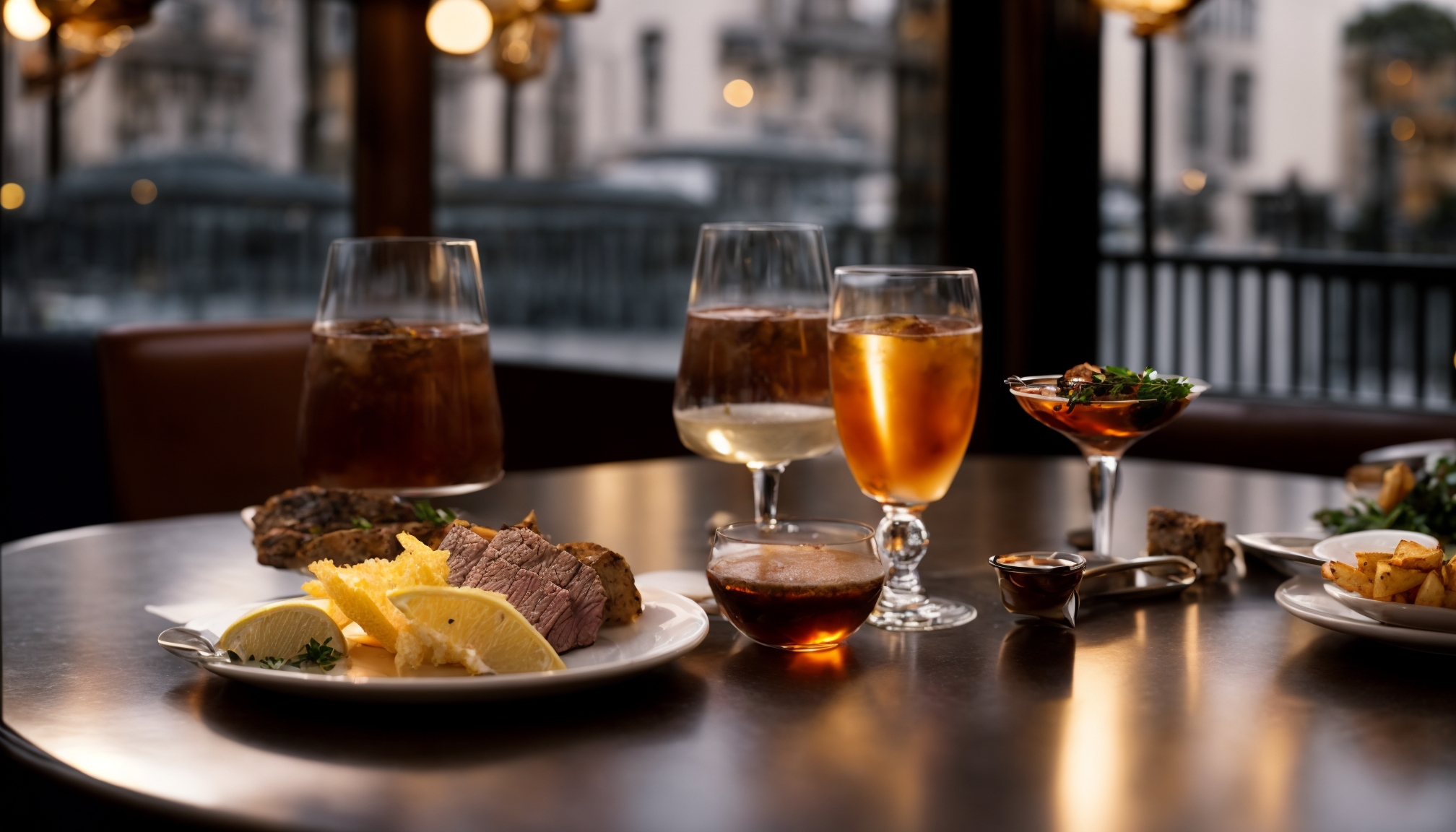
Le Stanze Bistrot Cafe – Cocktails for French bistro menus work best when they mirror bistro food’s balance of salt, butter, acid, and herbs, turning familiar dishes into sharper, more memorable pairings.
French bistro cooking is built on contrast. You get crisp edges and tender centers, bright vinaigrettes against rich sauces, and deep browning that begs for something refreshing. A well-built cocktail can answer those contrasts with precision. Bitterness cuts fat, bubbles lift fried textures, and citrus resets the palate between bites.
Unlike wine, cocktails let you tune sweetness, dilution, and aromatics to the dish. That control matters when a plate swings from briny to creamy in one forkful. Therefore, the goal is not stronger drinks, but more accurate structure: enough acidity to clean up butter, enough aromatics to complement herbs, and enough chill to keep the meal moving.
Start with dishes that lean savory and layered. French onion soup brings caramelized sweetness, beefy depth, and molten cheese. A light, bitter aperitif is a better counter than anything sugary. Consider an Americano-style build with sparkling water to keep it airy and to avoid overwhelming the soup’s browned notes.
Pâté, rillettes, and terrines demand lift. A Martini variation with a saline edge, or a very dry spritz with lemon peel, can cut through the richness while echoing the herbal garnish often found on the plate. Meanwhile, charcuterie boards love drinks that refresh between cured meats. Keep the alcohol moderate and the carbonation high when possible.
For a bistro-first approach, cocktails for French bistro pairing should emphasize appetite-opening bitterness and clean citrus rather than heavy sweetness.
Steak frites is salt, sear, and beef fat, with fries that need something brisk. A classic Manhattan can work when built on rye and kept dry-leaning, but the better move is often a Boulevardier-style profile that adds bitterness and ties into the steak’s browned crust. The trick is restraint: keep the drink cold, stirred, and properly diluted.
Roast chicken, especially with jus, herbs, or a creamy mushroom sauce, takes well to lighter brown-spirit cocktails that highlight aromatics. An Old Fashioned variant with orange oils and a measured sweetener can complement crispy skin without becoming dessert in a glass. On the other hand, if the chicken leans lemony, shift to a gin-based sour with softer acidity.
When guests ask for cocktails for French bistro comfort plates, bartenders often succeed by matching intensity. Big sear wants structure and bitter edges, while delicate roast flavors prefer subtle spice and gentle aromatics.
Read More: French cuisine basics and regional flavor notes
Seafood at a bistro can range from oysters to mussels in white wine broth. These dishes call for brightness, salinity, and herbal lift. A French 75-style build offers bubbles and citrus that match shellfish beautifully, while a gin and tonic variation with a restrained tonic and a fresh herb garnish can echo coastal flavors.
For moules-frites, consider cocktails that can handle garlic and parsley. A simple highball with lemon, sparkling water, and a botanical spirit keeps the palate clean. However, avoid heavy creaminess or excessive sweetness, which can clash with brine and make the dish feel heavier.
If your goal is cocktails for French bistro seafood courses, prioritize citrus oils, crisp dilution, and subtle savory notes, such as a tiny rinse of vermouth or a whisper of celery bitters.
Bistro salads are deceptively hard to pair. Mustard, vinegar, and sharp greens can make many drinks taste flat. The solution is to meet acidity with acidity and keep sugar low. A gimlet-like profile with fresh lime can work, but it should stay dry and bracing rather than candy-like.
For salads with goat cheese, walnuts, or pears, add aromatics instead of sweetness. A gin sour with herbal notes, or a light aperitif cocktail with citrus peel, can match the salad’s tang while respecting its freshness. After that, if a dish includes smoked fish or bacon lardons, add bitterness to keep the palate alert.
In practice, cocktails for French bistro salads succeed when they are cold, lean, and citrus-driven, with enough aromatics to stand up to mustard and herbs.
Bistro desserts often sit in a sweet spot: not overly sweet, but rich and nostalgic. Crème brûlée, tarte Tatin, and chocolate mousse benefit from drinks that offer contrast rather than extra sugar. A coffee-forward cocktail can match chocolate’s bitterness, while an herbal digestif-style drink can cut through custard and caramel.
If dessert includes fruit, choose a sparkling cocktail with restrained sweetness and bright citrus. If it includes chocolate, reach for spirits with roasted or spice notes and keep the sweetener measured. Meski begitu, the cleanest finish may be a small, cold digestif cocktail that stays aromatic and dry.
Ultimately, cocktails for French bistro dining are about balance, not volume—bubbles for fried textures, bitterness for richness, and citrus for anything buttery.
Scan the menu for the dominant element: butter, brine, char, or vinegar. Then pick a cocktail that counters it with either bitterness, acidity, or carbonation. Keep an eye on garnish, too. Citrus peel, herbs, and aromatics are not decoration; they are flavor bridges to the plate.
Ask for adjustments when needed. A bartender can often reduce sweetness, add a splash of soda, or swap a garnish to better align with the dish. Therefore, you get a pairing that feels intentional rather than accidental.
When you treat cocktails for French bistro meals as part of the food—structured, seasonal, and balanced—the classics make sense, and modern twists feel right at home.