Le Stanze Bistrot Cafe – Modern global coffee culture now shapes how people work, socialise, and express identity through evolving brew trends and café rituals.
From early-morning espresso shots to slow weekend pour-overs, modern global coffee culture increasingly defines daily rhythms in cities and small towns alike. Coffee no longer serves only as a caffeine fix. It acts as a social signal, a lifestyle choice, and even a creative outlet. People choose beans, brewing tools, and cafés that match their values, whether they prioritise sustainability, craftsmanship, or convenience.
As a result, coffee rituals have become more intentional. Office workers schedule meetings in specialty cafés instead of boardrooms. Students revise with carefully brewed filter coffee instead of instant sachets. Families experiment with simple brewing gear at home. This shift shows how taste, culture, and technology now intersect in every cup.
Until recently, many consumers treated coffee as a commodity: something hot, fast, and strong. Today, modern global coffee culture pushes a very different narrative. People pay attention to origin, variety, processing method, and roast level. They learn the difference between washed, natural, and honey-processed beans. They ask about altitude and flavour notes, from chocolate and caramel to berry-like acidity.
This curiosity transforms cafés into educational spaces. Baristas explain brewing ratios and grind sizes while showcasing manual methods like V60, Chemex, AeroPress, and siphon. In addition, tasting flights and cupping sessions help guests compare profiles side by side. Coffee turns into a guided journey instead of a quick transaction.
The third-wave coffee movement plays a central role in this transformation. It focuses on traceable supply chains, direct trade relationships, and careful roasting that highlights origin flavours. In many cities, small specialty cafés roast on-site or collaborate closely with micro-roasteries. Modern global coffee culture thrives in these spaces, where transparency and quality matter as much as ambience.
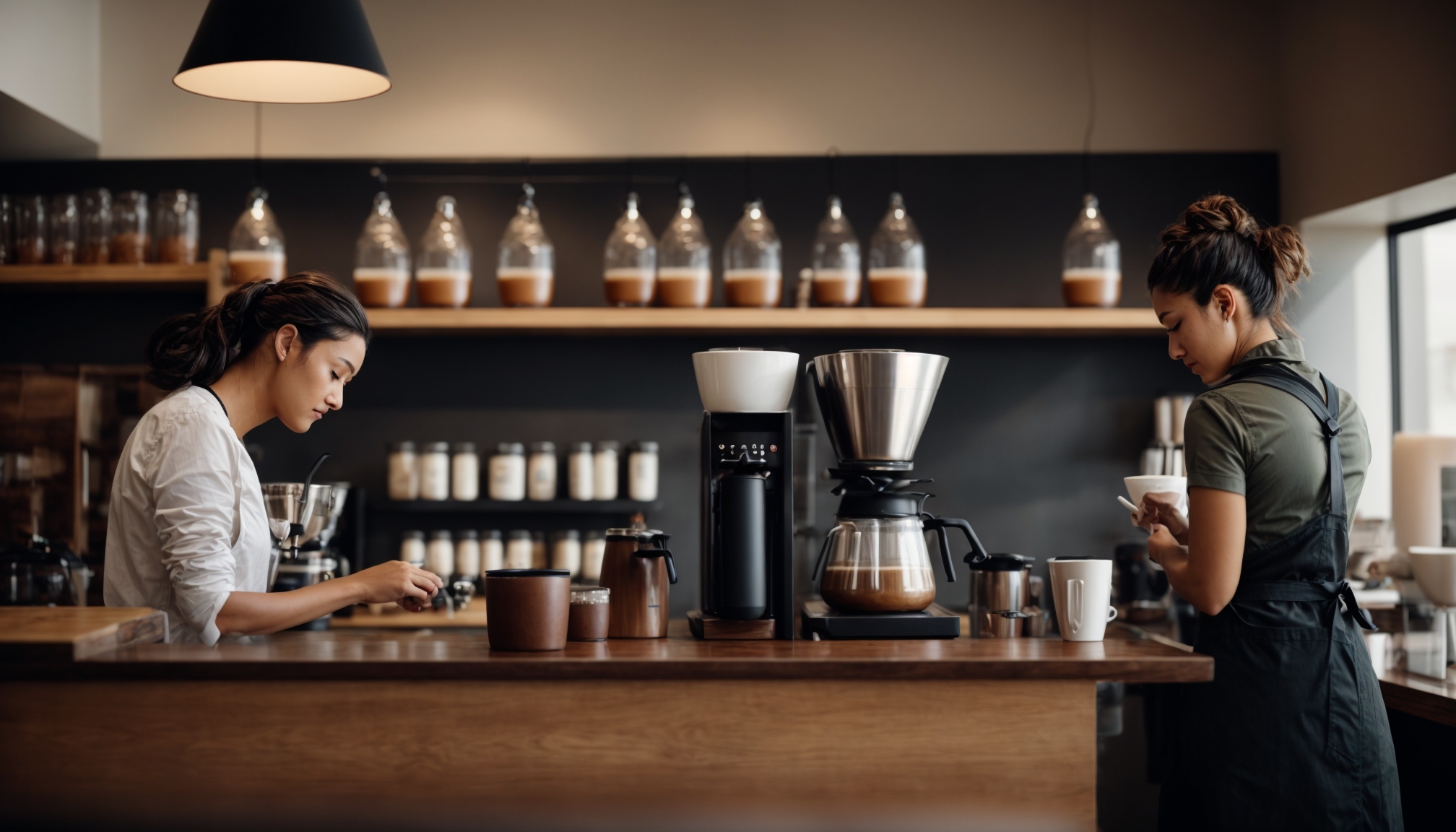
Third-wave cafés often adopt minimalist interiors, open bars, and visible brewing equipment. Customers can watch every step, from dosing beans to pouring water. This open approach builds trust and encourages questions. It also creates a shared language of coffee, where terms like “single origin”, “light roast”, and “tasting notes” become part of everyday conversation.
Baca Juga: Comprehensive overview of coffee history and culture
Alongside craft and tradition, technology strongly influences modern global coffee culture. Smart grinders, precise scales, and app-connected espresso machines now appear in both homes and cafés. These tools reduce guesswork and help users repeat successful recipes. Temperature-stable kettles and automatic brewers make it easier to extract consistent flavours from high-quality beans.
Meanwhile, coffee-related apps help people track brews, log tasting notes, and discover new roasteries. Online communities share recipes, brewing tips, and reviews, making experimentation accessible to beginners. Social media amplifies trends such as dalgona coffee, cold brew variations, and aesthetic latte art, turning coffee into visual content as well as a drink.
Changing lifestyles and climates also push new brewing formats into the spotlight. Cold brew, once a niche option, now stands as a year-round favourite in many markets. Its smooth profile, low acidity, and versatility make it suitable for black drinkers and those who prefer milk-based options. Bottled cold brew and canned nitro coffee expand modern global coffee culture into supermarkets, gyms, and convenience stores.
Ready-to-drink options cater to commuters and busy professionals who still care about quality. Brands partner with specialty roasters to offer single origin cans, oat milk lattes, and sugar-reduced recipes. These products blur the line between café and retail, making specialty-level flavour more portable.
Environmental and social concerns sit at the centre of modern global coffee culture. Consumers increasingly ask how farmers are paid, how farms manage water, and how roasters reduce waste. Certifications like Fairtrade, Rainforest Alliance, and organic labels help guide choices, although many roasters also prioritise direct relationships beyond formal programs.
Cafés respond with initiatives such as reusable cup discounts, composting coffee grounds, and choosing recyclable or biodegradable packaging. Some experiment with alternative milks to reduce the environmental impact of dairy. On the production side, more farmers adopt shade-grown methods, agroforestry, and climate-resilient varieties to protect yields for future generations.
Beyond taste and ethics, coffee also expresses identity. Many people describe their favourite brew as part of who they are. Social media bios often mention “espresso lover” or “filter coffee enthusiast”. Local scenes reflect this diversity. In some areas, traditional methods such as Turkish cezve, Italian moka pot, or Vietnamese phin remain cultural anchors. In others, sleek pour-over bars symbolise modernity.
These spaces foster community. Regular customers build friendships with baristas and fellow guests. Events such as latte art throwdowns, public cuppings, and brewing workshops bring people together. In this way, modern global coffee culture serves as a bridge between generations, professions, and backgrounds.
Looking ahead, experts expect fermentation techniques, low-caffeine varieties, and origin diversity to drive new trends. Experimentally processed coffees already attract adventurous drinkers who enjoy unusual flavour profiles. At the same time, accessible education and simple equipment keep the door open for newcomers.
Ultimately, modern global coffee culture will continue to balance craft, technology, and sustainability. As more people learn where their coffee comes from and how to brew it well, each cup gains deeper meaning. Modern global coffee culture encourages mindful choices, supports farming communities, and transforms everyday routines into small but significant rituals. In this ongoing evolution, modern global coffee culture remains a powerful lens for understanding how taste, value, and lifestyle interact.