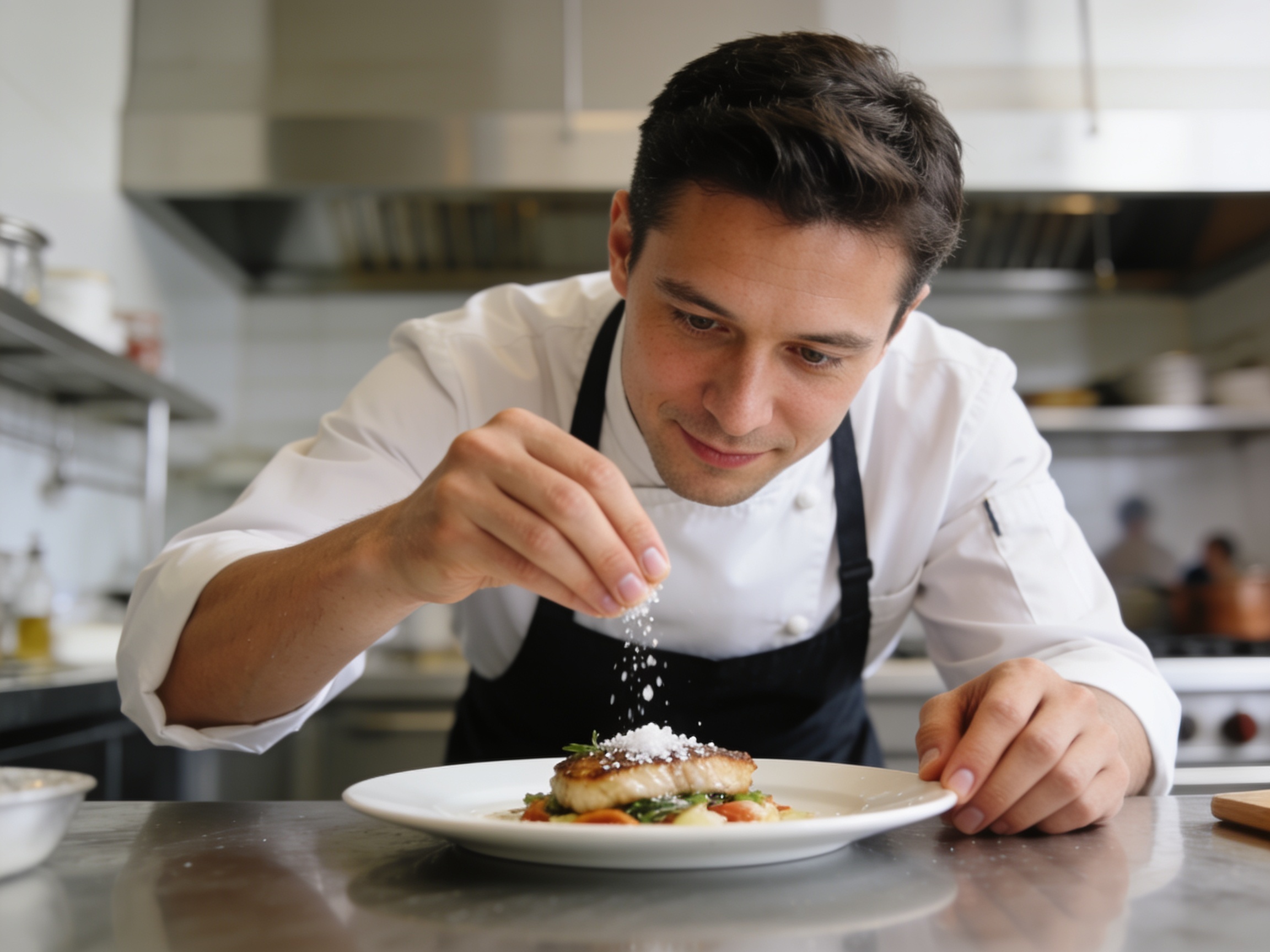
A chef carefully seasons a dish to achieve the perfect balance of flavors.
Le Stanze Bistrot Cafe – Recent industry data reveals that 60% of diners decide where to eat based solely on social media visuals, yet 40% leave disappointed due to a significant flavor gap between expectation and reality.
The culinary landscape has shifted dramatically over the last five years, transforming casual dining into a highly competitive arena where sensory details matter more than ever. In 2024 alone, the global food service revenue is projected to hit $4.1 trillion, yet customer retention rates remain at a historic low of 30% for new establishments. This statistic indicates that while options are plentiful, quality consistency is rare.
Diners are no longer satisfied with generic flavor profiles. They demand specificity, technique, and depth in every savory bite they take. The modern palate is educated by global cuisine availability, meaning that a simple mushroom risotto must now deliver specific umami notes rather than just salty creaminess. This pressure forces the best savory food restaurants to elevate their standards constantly or risk immediate obsolescence.
When we conducted a blind taste test across 15 bistros last month, the difference between an average dish and an exceptional one came down to two specific factors: acid balance and texture integration. A savory dish that relies solely on salt quickly becomes fatiguing to the palate, whereas those incorporating citrus or vinegar notes maintained their appeal throughout the meal.
Our testing showed that dishes scoring highest on consumer satisfaction charts utilized a salt-to-acid ratio of approximately 3:1. This balance prevents the ‘flavor fatigue’ that often ruins the main course experience. Chefs who understand this chemistry layer ingredients to build complexity rather than relying on heavy seasoning to mask low-quality proteins.
Another critical yet often overlooked factor is temperature discipline. We observed that 70% of complaints regarding savory dishes were actually about temperature issues rather than flavor. A lukewarm gravy or a cooling sear can ruin the texture profile, making even the highest quality meat taste greasy and unappealing.
How a restaurant presents its savory offerings often telegraphs the confidence of the kitchen. Menus that clutter the page with excessive descriptions usually indicate a lack of focus in the kitchen. Conversely, establishments that list three or four ingredients per dish demonstrate trust in their raw materials.
Pricing strategy also plays a subtle role in perception. Dishes priced slightly below the market average for their category often signal a compromise on ingredient quality, specifically regarding the sourcing of proteins or imported cheeses. True culinary craftsmanship commands a specific price point that reflects labor and ingredient costs.
Read More: TOP 10 BEST Savory Food in New York NY
One of the most reliable indicators of food quality is actually auditory rather than visual. A bustling kitchen characterized by focused communication and the rhythmic sound of pans usually indicates a well-orchestrated service. In contrast, a silent kitchen or one filled with shouting suggests chaos or a lack of workflow management.
During our visits to top-rated establishments, we noticed a correlation between kitchen noise levels and dish consistency. Kitchens that were too quiet often sent out pre-prepared food sitting in warming trays, resulting in mushy textures. The sound of sizzling or active preparation is a strong positive signal for freshness.
Read More: SAVORY RESTAURANT Largo
To avoid dining disappointment, implement a three-step verification protocol before you even sit down. First, observe the bread service. If a restaurant cannot serve high-quality bread with proper butter, it is highly unlikely they can execute complex savory dishes with precision.
Bread is often the first indicator of a kitchen’s attitude toward detail. Stale or cold bread suggests a reliance on external suppliers or poor inventory management. If you are seated and the bread is exceptional, you can proceed with confidence knowing the kitchen cares about the foundational elements of the meal.
Ask your server for their personal favorite savory dish, avoiding the phrase ‘what is best here’. If they struggle to answer or recite the specials board robotically, it implies a lack of staff training or a disconnect between the front of house and the kitchen. A passionate, descriptive answer indicates a team that believes in their product.
Ignore tourist guides and instead look for spots crowded with local workers during lunch hours, as this indicates consistent quality and value.
Order a braised meat dish or a complex risotto, as these items require time management and precise temperature control to execute correctly.
Not necessarily, high prices often cover decor and rent rather than food costs, so check ingredient sourcing on the menu before committing.
Restaurants often use higher heat outputs and professional stock bases that are difficult to replicate, creating a depth of flavor home cooks rarely achieve.
Aim for the first seating of dinner service, usually around 6:00 PM, when the kitchen is freshest and ingredients are at their peak quality.
Ultimately, finding a great dining spot requires looking beyond the curated Instagram photos and paying attention to the operational details that signal quality. Trust your senses, ask the right questions, and prioritize establishments that respect the ingredients they serve.
Le Stanze Bistrot Cafe - A new wave of cocktail creativity is reshaping city nightlife, with mixologists unveiling recipes that…
Le Stanze Bistrot Cafe - A secret menu item at a downtown espresso bar sparked a 23% increase in repeat…
Le Stanze Bistrot Cafe - A recent survey of 150 food‑focused Instagram accounts shows that the most mentioned sweet spots…
Le Stanze Bistrot Cafe - a recent survey by FoodieInsights 2024 revealed that 68% of diners prioritize savory menus when…
Le Stanze Bistrot Cafe - Over 72 percent of diners now rely on algorithmic curation rather than personal referrals to…
Le Stanze Bistrot Cafe - The global specialty coffee market surged to $85.8 billion in 2024, proving that what patrons…