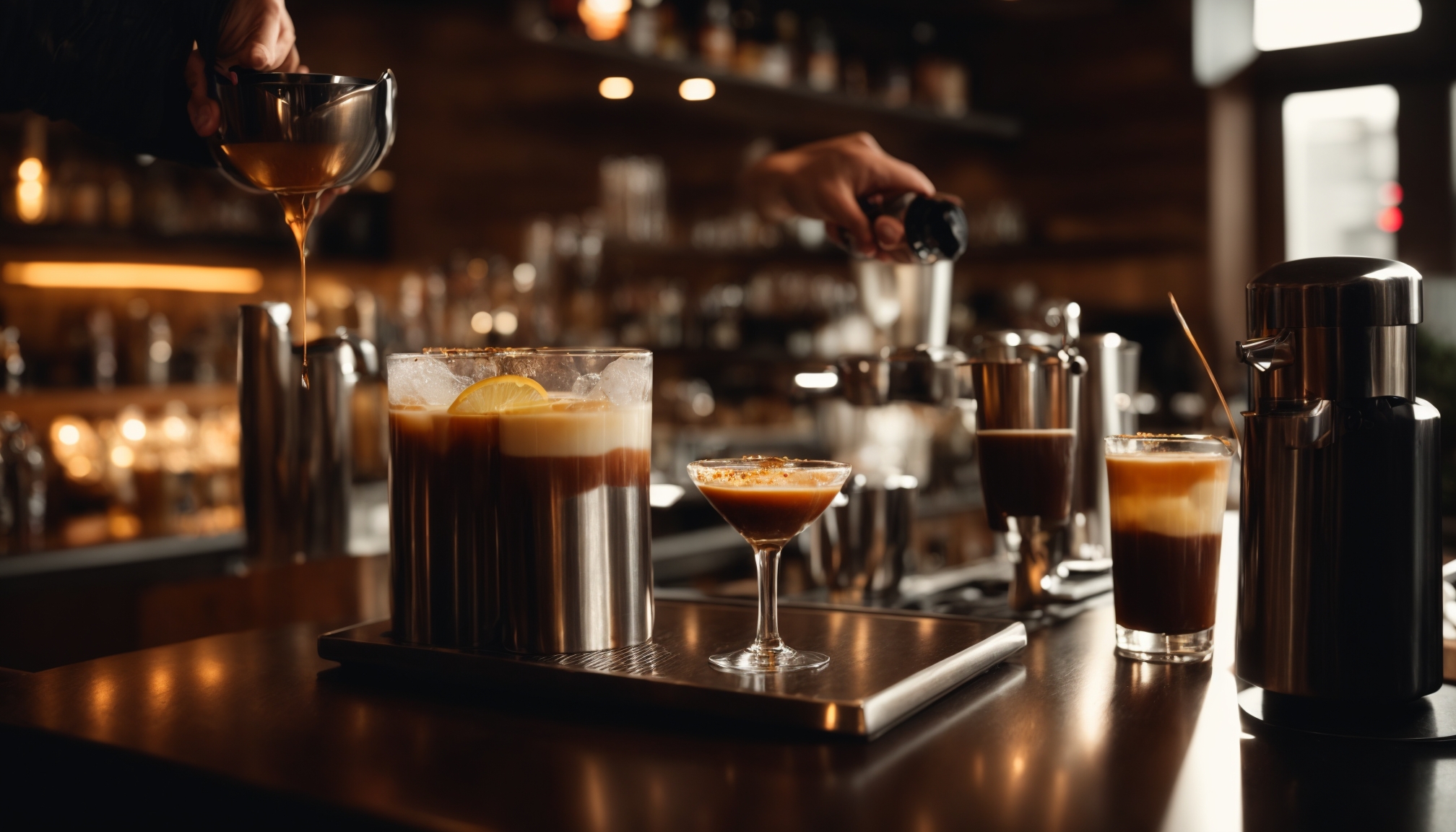
Le Stanze Bistrot Cafe – Modern bistros increasingly rely on unique coffee cocktail recipes to attract curious guests who want complex flavors and social-friendly drinks in one glass.
Across major cities, bartenders and baristas now collaborate to design unique coffee cocktail recipes that balance caffeine, sweetness, and aroma. Guests look for drinks that feel crafted, not generic. They want layers of flavor, striking presentation, and a story behind every glass.
Specialty coffee has trained people to notice origin, roast level, and extraction. Meanwhile, the craft cocktail movement has elevated expectations for fresh ingredients, quality spirits, and precise technique. When both worlds meet in a modern bistro, the result often becomes the house signature.
These drinks also fit changing social habits. Many people prefer lower-alcohol options or slower sipping experiences. Coffee-based cocktails can deliver that, offering intensity of flavor without relying only on strong spirits.
Successful bartenders use clear principles when building unique coffee cocktail recipes. The first is balance. Bold espresso or cold brew can easily overpower delicate spirits. Because of that, many professionals start with lighter roasts or cold brews that highlight fruity or floral notes rather than only bitterness.
The second principle is texture. Coffee brings body, oils, and crema, while milk, cream, or foamed aquafaba add silkiness. Shaking, stirring, and using large ice cubes all change how the drink feels on the palate. Thoughtful textural choices help a cocktail feel luxurious instead of heavy.
Finally, aromatics define the experience. Citrus zest, coffee beans, herbs, and spices can sit on top of the drink or perfume the glass. This subtle layer often becomes the detail guests remember and photograph.
The classic Espresso Martini opened the door for many modern twists. Today’s bistros keep the basic trio of coffee, spirit, and sweetness, yet they often replace generic vodka with rum, aged tequila, or coffee liqueurs that match the beans’ profile. This shift produces deeper, more rounded flavor.
Some venues design their own house syrups. Brown sugar, vanilla, cardamom, or orange peel syrups complement Colombian or Ethiopian coffees differently. As a result, the same caffeine base can yield multiple signature cocktails simply by swapping syrups and spirits.
Others experiment with non-dairy ingredients. Oat milk makes a velvety foam, while coconut cream adds richness and tropical notes. These changes accommodate dietary needs without sacrificing indulgence.
Read More: Comprehensive guide to classic and modern coffee cocktails
In many neighborhoods, guests choose venues specifically for their unique coffee cocktail recipes. Owners respond by investing in barista-grade equipment behind the bar. High-pressure espresso machines, calibrated grinders, and precise scales sit beside shakers and jiggers.
Teams often run structured tasting sessions. Baristas pull various espresso shots, while bartenders test how each roast interacts with different spirits. They document tasting notes such as chocolate, berry, caramel, or spice. Then they match those notes with rum, whiskey, amaro, or vermouth to create a focused concept.
Presentation matters as much as taste. A coupe glass with a thick crema layer, a rocks glass with a clear ice cube, or a tall glass with layered colors all send a message. Garnishes tell part of the story too: a single coffee bean, torched citrus, or a cinnamon stick can hint at what to expect before the first sip.
Thoughtful pairing enhances the appeal of any list built around unique coffee cocktail recipes. Savory brunch dishes often match well with lighter, citrus-leaning coffee cocktails. For example, a cold brew spritz with orange and tonic can cut through rich eggs or buttery pastries.
Heavier desserts call for deeper, spirit-forward options. Drinks that combine espresso with dark rum or aged whiskey echo chocolate, caramel, and roasted nuts. Because the coffee already suggests bitterness, pastry chefs can reduce sugar slightly and trust the cocktail to complete the experience.
Some bistros create tasting flights: one coffee cocktail, one small dessert, and a bite of something savory. This approach invites guests to linger longer and sample more items without feeling overwhelmed.
Behind the bar, staff must treat unique coffee cocktail recipes with the same care as stronger mixed drinks. Caffeine can mask the feeling of alcohol, making it easier to underestimate how much a person has consumed. Training helps bartenders recognize when to suggest water, food, or a slower pace.
Guests can support responsible service by alternating cocktails with still or sparkling water and avoiding multiple high-caffeine drinks late at night. Choosing drinks that use cold brew with moderate strength, rather than double espresso shots, also helps keep stimulation balanced.
Clear menu descriptions assist decision-making. When menus highlight both the type of coffee and main spirit, people can better judge how intense a drink may feel.
Many enthusiasts want to recreate their favorite unique coffee cocktail recipes outside the bistro. Home experimentation starts with good coffee. Freshly ground beans, a reliable brewing method, and consistent ratios matter more than expensive tools.
Cold brew works especially well at home because it keeps for several days in the refrigerator. You can mix small portions with rum, simple syrup, and cream to build a gentle after-dinner drink. Measuring ingredients with a basic kitchen scale or jigger supports repeatable results.
To practice technique, begin with stirring spirit-forward recipes over ice, then move on to shaking drinks that include dairy or egg white substitutes. Over time, you will understand how dilution and temperature influence flavor.
As innovation continues, many industry observers expect more crossovers between specialty coffee shops and cocktail bars. Seasonal menus based on unique coffee cocktail recipes already appear during holidays or harvest periods, highlighting beans from specific regions and limited-release spirits.
Technology may play a role too. Precise extraction devices, smart grinders, and detailed digital records will help bartenders refine recipes with scientific accuracy. Meanwhile, guests will keep searching for new sensory experiences that still feel approachable and social.
Whether enjoyed in a busy city bistro or mixed at home, unique coffee cocktail recipes will remain a creative bridge between two established cultures, offering comforting familiarity and fresh excitement in every carefully prepared glass.