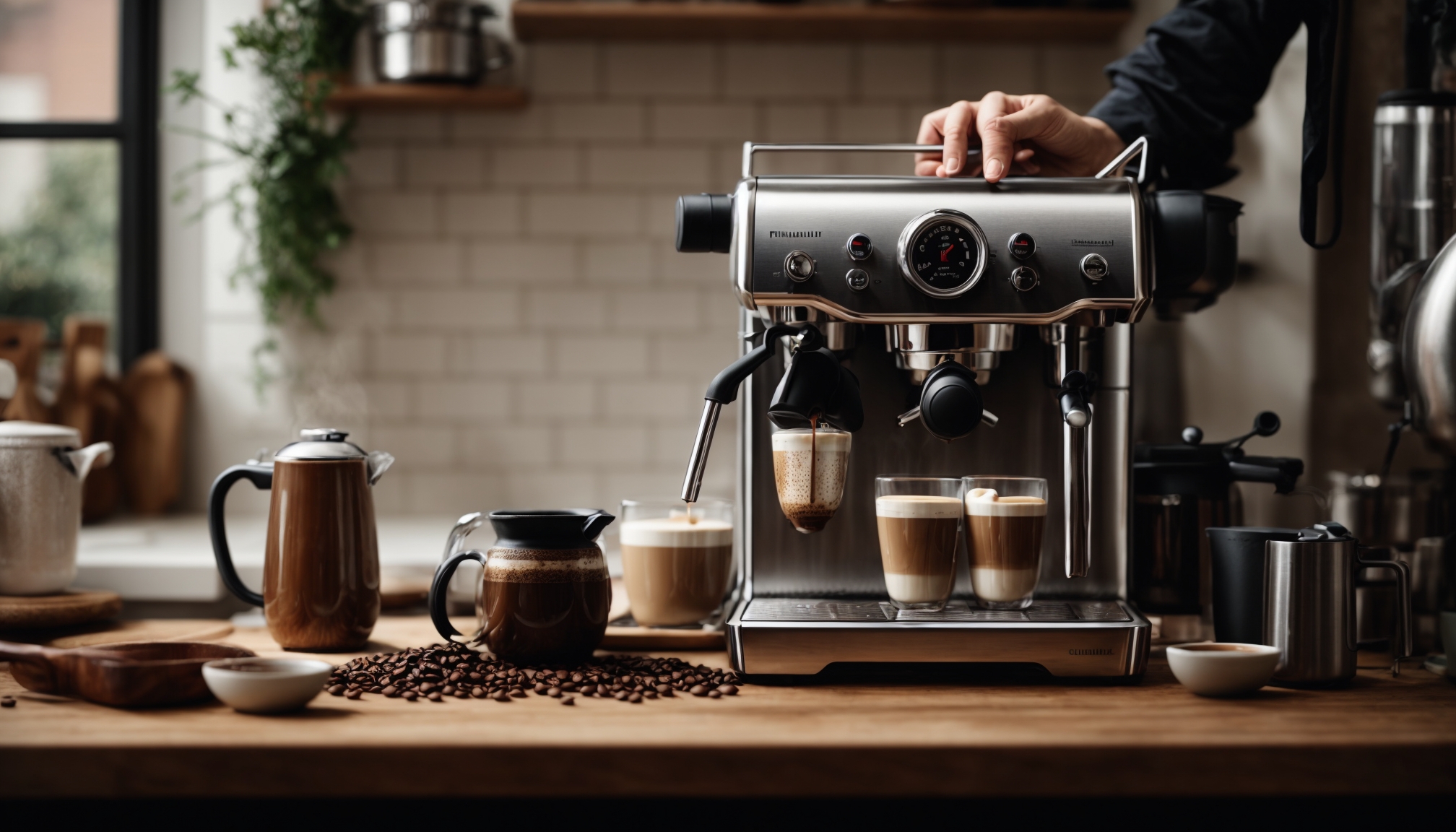
Le Stanze Bistrot Cafe – Coffee drinkers increasingly want full control over flavor, strength, and texture as they learn to customize your coffee like a professional barista in their own kitchen.
Before you try to customize your coffee like an expert, you need to understand the main elements that shape flavor. Coffee beans, roast level, grind size, water quality, and brewing method all work together. Small changes in each element can dramatically alter the final cup.
Choose beans that match your taste. Light roasts highlight acidity and fruity notes, while dark roasts deliver smokier, bittersweet flavors. Because of this, light roasts often work well for pour-overs, and dark roasts can suit espresso-style drinks.
Grind size is just as important. A coarse grind fits French press, medium grind works for drip machines, and fine grind suits espresso makers. If your coffee tastes sour, you might need a finer grind. If it tastes bitter and harsh, try a coarser grind instead.
To truly customize your coffee like a pro, match your brewing method to your lifestyle and flavor goals. French press gives a full-bodied, rich cup, since the metal filter lets oils and fine particles remain in the drink. Pour-over delivers a cleaner, brighter flavor with more clarity.
Espresso-style brewing, whether with a machine or a manual device, creates a concentrated base. You can then turn that base into cappuccinos, lattes, or americanos. Meanwhile, cold brew uses time instead of heat to extract flavor, leading to a naturally sweeter, smoother drink.
Water temperature also matters. Aim for water just off the boil, around 90–96°C (195–205°F), so you extract enough flavor without burning the grounds. Use filtered water when possible, since minerals and chlorine in tap water can flatten your coffee’s character.
You cannot customize your coffee like a professional without controlling coffee-to-water ratio. Many home baristas start with 1:15 to 1:17, or one part coffee to fifteen to seventeen parts water by weight. Adjust the ratio based on how strong or delicate you prefer your drink.
If your brew feels too intense, add a bit more water or use slightly less coffee. On the other hand, if the cup seems weak or hollow, increase the dose of coffee or make the grind a bit finer. Make one change at a time so you can clearly taste the difference.
Pay attention to flavor balance. Acidity provides brightness, sweetness makes the cup pleasant, and bitterness adds structure. When these three are in harmony, the drink feels complete. Keep simple notes about which changes bring you closer to your ideal flavor.
Many people want to customize your coffee like a café drink by focusing on milk and texture. The type of milk you choose affects sweetness and mouthfeel. Whole cow’s milk gives a creamy, rich body, while skim milk creates lighter foam with less weight on the palate.
Plant-based options such as oat, soy, and almond milk behave differently in heat and steam. Barista versions often froth more easily and blend better with espresso. Heat milk gently and avoid boiling, since excessive heat can cause a grainy texture or a cooked taste.
Steaming or frothing introduces air and changes the surface of your drink. For a cappuccino-like cup, use more foam and less liquid milk. For a latte-style drink, aim for silky microfoam that blends smoothly with the coffee. Practice consistently to refine your technique.
Read More: Practical brewing tips from the National Coffee Association
If you want to customize your coffee like a signature café recipe, explore flavor add-ins in moderation. Vanilla extract, ground cinnamon, and cocoa powder can enhance aroma without overwhelming the core coffee notes. Add them during brewing or sprinkle them on top.
Syrups allow precise control of sweetness and flavor. Classic options include vanilla, caramel, and hazelnut. For a healthier approach, try small amounts of honey or maple syrup, which dissolve well in hot drinks. Always taste after each pump or spoonful to avoid cloying sweetness.
Spices such as cardamom, nutmeg, or a slight touch of chili can add complexity. However, introduce only one new flavor at a time so you can decide whether it supports or masks the character of the beans. Balance should remain your guiding principle.
Many coffee lovers who customize your coffee like a barista want to try simple latte art. You do not need professional equipment to start. A basic espresso-style base, a small milk pitcher, and well-textured microfoam are enough for simple shapes such as hearts or tulip-like patterns.
Begin by swirling the milk to keep the texture uniform. Then pour slowly into the center of the cup, raise and lower the pitcher as needed, and let the foam rise to form a pattern. Even if your art does not look perfect, the improved texture will still elevate the drink.
Presentation goes beyond art. Use pre-warmed cups, wipe spills from the saucer, and consider a small biscuit or piece of dark chocolate on the side. These details influence how satisfying the coffee feels, especially when you serve guests.
Over time, you will learn to customize your coffee like a personal ritual that marks the start of your day. Consistent technique helps you notice patterns and refine your preferences, from favorite beans to ideal ratios. Keep a simple log of what works best for different moods or times.
Share your creations with friends or family and invite their feedback. Their reactions can highlight aspects you no longer notice, such as bitterness or thin texture. Gradually, your home setup can deliver drinks that rival many café offerings.
With patience, basic tools, and curiosity, you can customize your coffee like a true enthusiast and enjoy a cup that reflects your exact taste every single day.