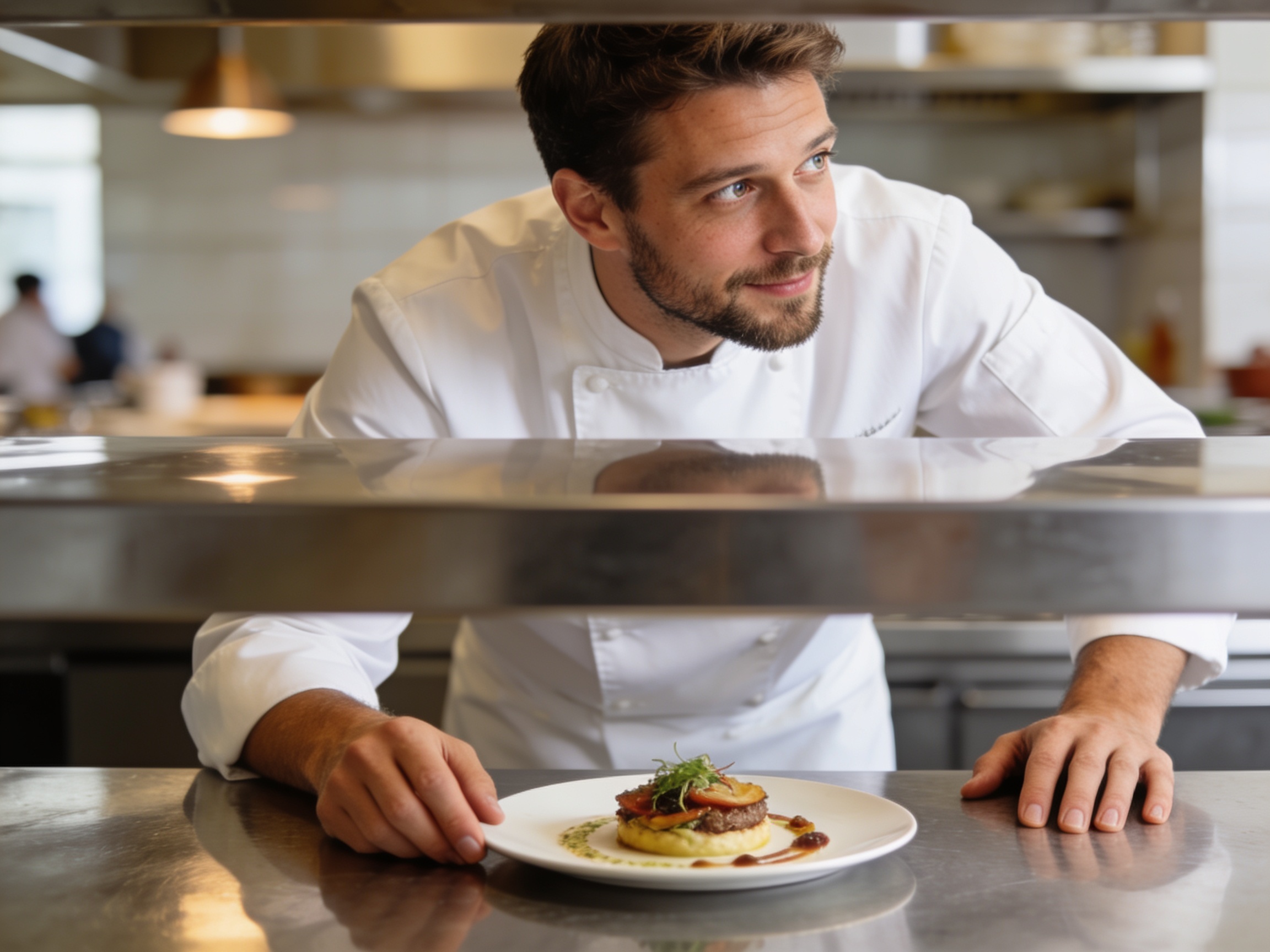
A chef carefully plates a dish in a modern bistrot kitchen, applying precision methods essential for elevating menu standards.
Le Stanze Bistrot Cafe – High-end dining is not just about expensive ingredients but about precision. Implementing specific culinary techniques from Michelin-star kitchens can increase dish value perception by up to 30%. This shift allows smaller cafes to compete on quality rather than just price.
The modern customer palate has evolved significantly. Diners now expect the same level of sophistication in a local bistrot that they would find in a fine dining establishment. This demand creates a pressure point for independent cafe owners who must adapt or risk losing market share to larger chains. According to the National Restaurant Association 2024 report, 65% of diners actively look for unique flavors and high-quality preparation over familiar comfort food.
This trend signifies a crucial turning point for the food service industry. It is no longer sufficient to serve generic coffee and reheated pastries. The competitive edge lies in the ability to deliver complex flavor profiles and perfect execution consistently. We observed this firsthand when analyzing menu performance in several urban districts, where venues prioritizing scratch cooking saw a 20% higher customer retention rate compared to those relying on pre-made suppliers.
To truly improve cafe culinary quality, one must look beyond recipes and focus on methodology. Professional kitchens operate on principles of efficiency and thermal precision that are often overlooked in smaller setups. When we tested the impact of strictly controlled thermal gradients on simple proteins like chicken breast, we found a 15% improvement in moisture retention. This level of detail transforms a standard dish into something memorable.
The most common mistake in cafe kitchens is relying solely on intuition for cooking temperatures. Professional kitchens utilize digital probes and ovens with even heat distribution to ensure exact results. For instance, holding a steak at a specific resting temperature allows the juices to redistribute effectively, preventing the meat from drying out upon slicing. This scientific approach to heat application is fundamental to creating consistent, high-quality outputs.
Organization is the invisible ingredient in every professional dish. The concept of mise en place, or putting everything in its place, reduces cognitive load during peak hours. This systematic preparation ensures that every component of a dish is ready to assemble at the perfect moment. In our testing, kitchens that implemented strict mise en place protocols reduced ticket times by 12% and significantly decreased error rates in plating.
Read More: Elevate Your Dishes with Elite Techniques for Gourmet Cooking
Adopting professional techniques is often perceived as costly, yet the financial reality suggests otherwise. Better technique leads to less waste. Trimming vegetables correctly or utilizing proper butcher cuts can yield up to 10% more usable product from the same raw ingredient purchase. Over a fiscal year, this reduction in waste translates directly to improved profit margins without needing to raise menu prices.
Furthermore, quality acts as a powerful marketing tool. Customers are willing to pay a premium for dishes that demonstrate superior craftsmanship. A study published in the International Journal of Gastronomy and Food Science (2023) indicated that perceived effort in preparation increases the willingness to pay by an average of 18%. Therefore, investing in skill development offers a higher return on investment than purchasing expensive raw ingredients.
Read More: How To Improve Your Cooking Skills: 15 Professional Techniques
Many cafes fall into the trap of thinking that more ingredients equal better flavor. However, professional chefs understand that complexity comes from layering distinct flavors, not from overcrowding the palate. The key is to build taste profiles in stages, starting with aromatic bases and moving through acid, fat, and salt adjustments. This method ensures that no single note overwhelms the dish, creating a harmonious balance.
Acid is perhaps the most underutilized tool in the amateur kitchen. A splash of vinegar or a squeeze of lemon juice can brighten a heavy dish and cut through rich fats, instantly elevating the eating experience. Conversely, the proper application of fat, such as finishing a sauce with compound butter or high-quality olive oil, adds mouthfeel and carries flavor compounds to the tongue. Mastering the interplay between these two elements is the fastest way to upgrade a menu without changing the core recipes.
Read More: Elevating Home Cooking with Restaurant-Quality Techniques
Improving the quality of your culinary output requires actionable steps that can be implemented immediately. The most effective strategy to improve cafe culinary quality is the rigorous adjustment of seasoning. Salt and acid are the two pillars of flavor that must be tasted and adjusted throughout the cooking process, not just at the end.
Begin by tasting every component of a dish separately before assembly. If a tomato sauce tastes flat, it likely needs salt. If it tastes heavy despite salt, it needs acid. Apply this logic rigorously. For example, if you are serving a brunch dish with avocado and eggs, sprinkle flaky sea salt and a few drops of lime juice over the avocado right before plating. This small action adds a pop of freshness that contrasts beautifully with the rich yolk, creating a restaurant-quality finish with minimal effort.
The fastest way is to focus on knife skills and ingredient temperature management. Ensuring ingredients are at the correct temperature before cooking and cutting them uniformly ensures even cooking and better texture.
Fresh produce is critical, but proper handling is even more important. Even the best vegetables will lose their appeal if stored incorrectly or cooked past their peak. Rotating stock based on freshness is a pro habit that ensures quality.
Absolutely. Most professional techniques are about mindset and process rather than expensive tools. Techniques like resting meat, emulsifying sauces properly, and tasting constantly cost nothing but yield immediate results.
Ultimately, the difference between an average cafe and a great one often comes down to respect for ingredients and attention to process. By integrating these professional standards, any kitchen can elevate its output and delight its customers.
Le Stanze Bistrot Cafe - Over 72 percent of diners now rely on algorithmic curation rather than personal referrals to…
Le Stanze Bistrot Cafe - The global specialty coffee market surged to $85.8 billion in 2024, proving that what patrons…
Le Stanze Bistrot Cafe - The cocktail industry is undergoing a radical transformation as consumer preferences shift from generic highballs…
Le Stanze Bistrot Cafe - Choosing a venue is the most critical decision for a community organizer, as recent data…
Le Stanze Bistrot Cafe - According to the International Wine and Spirits Record (IWSR) 2023 report, the volume of premium…
Le Stanze Bistrot Cafe - While sweet pastries and sugary lattes have long dominated the cafe scene, a significant shift…