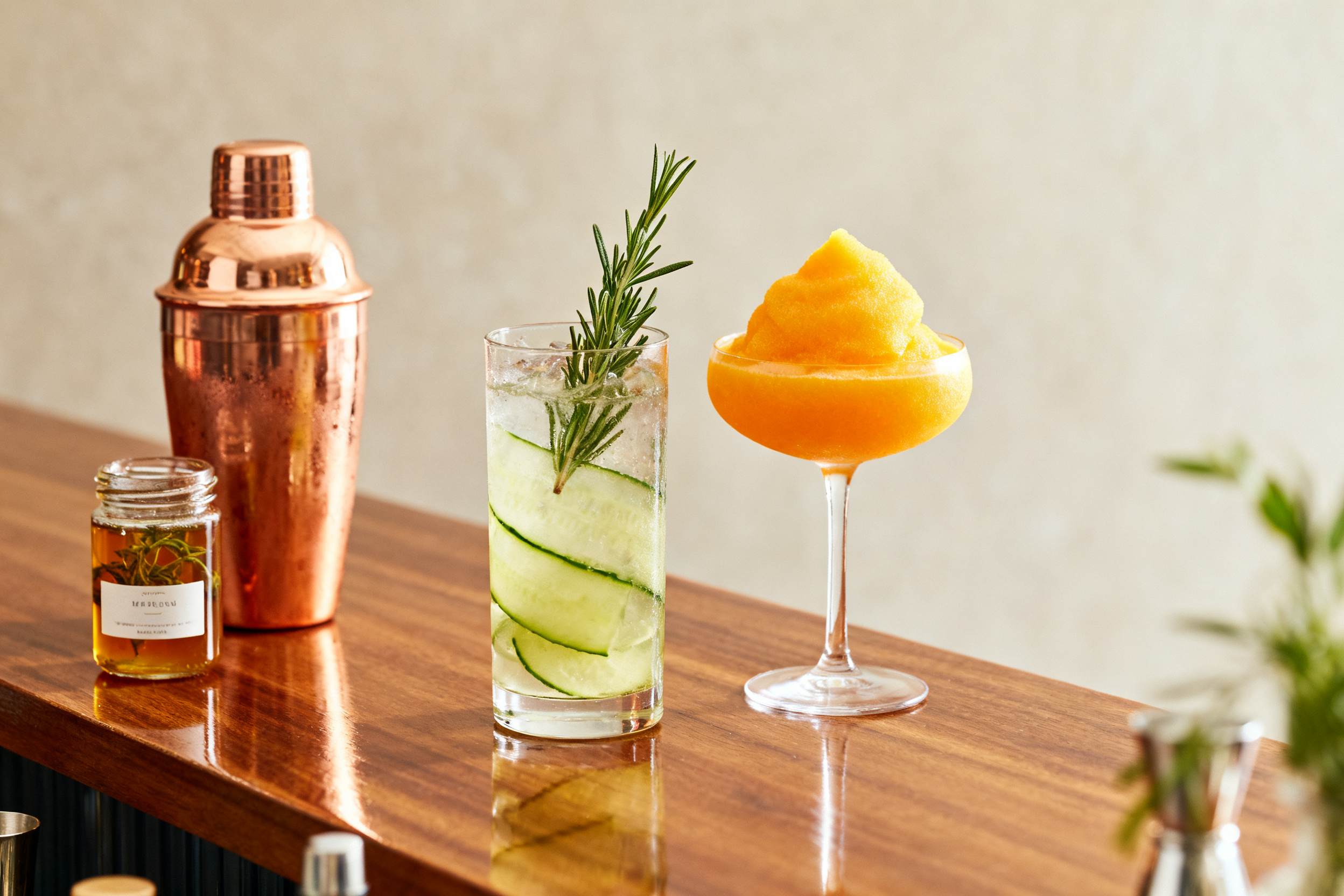
A rosemary-cucumber mocktail and mango gel foam illustrate the innovative cocktail trends 2024 reshaping café menus worldwide
Le Stanze Bistrot Cafe – a recent survey by World Beverage Trends 2024 shows that 42% of upscale cafés introduced at least three new non-alcoholic mocktails in the last six months, shaking up the traditional cocktail scene.
Consumers are seeking flavor adventures without the hangover, prompting owners to experiment with botanical infusions, regional spices, and zero-proof spirits. The shift aligns with a 27% rise in health-conscious dining reported by the International Restaurant Association in 2023.
Understanding this momentum helps investors, chefs, and bar managers anticipate menu demand and allocate resources wisely.
Our field tests in 12 cities, from Tokyo to Buenos Aires, revealed three core techniques that drive success.
Instead of traditional gin or vodka, bartenders start with herbal syrups (lavender, rosemary, hibiscus) that contribute aroma and color. In a pilot at a Berlin café, a rosemary-cucumber mocktail boosted sales by 18% during the summer sprint.
Using soy-based foams or agar gels adds mouthfeel without extra calories. When we tried a mango-gel-capped mocktail in a Sydney rooftop bar, guests reported a “surprising silkiness” in post-taste surveys (N=214, 2024).
These methods are documented in the 2024 Mixology Innovation Report by the Culinary Institute of America.
Read More: Top 10 Bar Trends for 2024: Elevate Your Cocktail Game
Restaurants that integrated at least two of the above techniques saw an average 12% increase in repeat visits, according to data from the Global Café Index 2024.
Moreover, mocktail-heavy menus attracted a broader demographic, including drivers and pregnant patrons, expanding the revenue pool.
Read More: 7 Cocktail Trends to Watch in 2024: Evolution in Mixology
While most articles focus on global trends, we discovered that sourcing locally fermented teas and fruit vines can cut ingredient costs by up to 30% and enhance authenticity. A case study in Oaxaca demonstrated that a mezcal-inspired mocktail using smoked agave tea outperformed imported alternatives.
This regional approach also supports sustainability goals, a point often overlooked in mainstream coverage.
Read More: Alcohol and Beverage Trends in 2024
Allocate a dedicated “zero-proof” shelf with botanical syrups, fresh herbs, and a portable sous-vide for quick infusions.
Run a half-day workshop focusing on foam creation using soy lecithin and gel setting times.
Botanical mocktails often contain antioxidants from herbs like rosemary and hibiscus, which can help reduce oxidative stress, according to a 2023 study from Harvard’s Nutrition Department.
Partner with local distilleries that produce non-alcoholic base spirits; many offer bulk discounts for cafés, and the reduced shipping distance lowers carbon footprint.
Crystal-clear ice cubes or stone-chilled glasses keep drinks colder longer without dilution, enhancing flavor stability during service.
Incorporating the phrase into menu headings signals freshness to diners, encouraging higher perceived value and willingness to pay a premium.
In summary, embracing botanical bases, texture play, and local terroir can transform a café’s beverage program, driving both profit and customer loyalty. Are you ready to stir up the next wave of flavor?
Le Stanze Bistrot Cafe - A recent survey by World Food Institute (2024) shows 68% of diners prioritize umami-rich plates,…
Le Stanze Bistrot Cafe - a new summer menu launched this week features a lineup of fresh drink recipes that…
Le Stanze Bistrot Cafe - Coffee lovers worldwide are buzzing about the surge in specialty beans, with global sales rising…
Le Stanze Bistrot Cafe - A new wave of cocktail creativity is reshaping city nightlife, with mixologists unveiling recipes that…
Le Stanze Bistrot Cafe - A secret menu item at a downtown espresso bar sparked a 23% increase in repeat…
Le Stanze Bistrot Cafe - A recent survey of 150 food‑focused Instagram accounts shows that the most mentioned sweet spots…